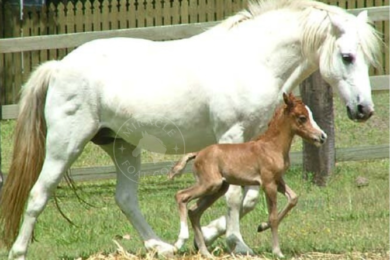
Many owners and breeders are themselves challenged when it comes to recognizing the challenges faced by premature and dysmature foals.
That’s the challenge I’m facing in trying to promote these research findings. In order to welcome a solution, a listener first has to recognise that there’s a problem.
And it’s nothing new: for the best part of 10 years, a well-respected international clinician has been mentioning my research to participants at her events. Sometimes, she has later told me about the conversations and asked, “did they contact you?” In all but one case, the answer has been no.
And that’s a shame, as my goal has never been to be the voice of doom, but rather to raise awareness of a horse’s limitations, so that positive measures can be taken to improve its lot in life.
But that’s sadly been a conversation that has only happened with the clients I’ve met on a face-to-face basis, when we’ve stood together looking at their horse.
It’s as if it’s a truth some owners just don’t want to face. No doubt that’s been because they’ve felt concerned (or fearful). I’m not surprised – it’s not pleasant to think that your homebred horse may not be so great after all, or that there may be something going on that you’ve missed.
It may also be that the grown horse is now being ridden and worked, potentially to the detriment of its musculoskeletal health.
I get it. It’s about loving a creature and/or feeling responsible, both for its existence and its ongoing wellness. And we really are responsible when we organise the breeding from its inception as an idea through to delivery of the foal, and beyond.
At the same time, and for similar reasons, I recognise that there are very many horses out there that carry the lifelong impact of gestational immaturity. We we owe it to them to do all we can for their wellbeing.
With mature horses, we may not be able to wind back the clock for their overall skeletal development, but we can still make them more comfortable and recognize the potential for conditions such as early onset arthritis.
With youngsters and growing horses, we can still do a lot for the quality of their development. And with foals, we can do all this and potentially influence their systemic regulation.
With all of them, we can mitigate for endocrinological imbalances, and understand what this means for their social, training and management needs.
The best part is that this management part isn’t actually hard. But sometimes, facing the need for it is.