
“An important book most breeders hope to never need, but full of well-presented deep knowledge relevant to anyone breeding or rearing horses.” – Sabine Schmoelzl (BVSc, PhD), Veterinary Research Scientist, Nethermere Warmbloods
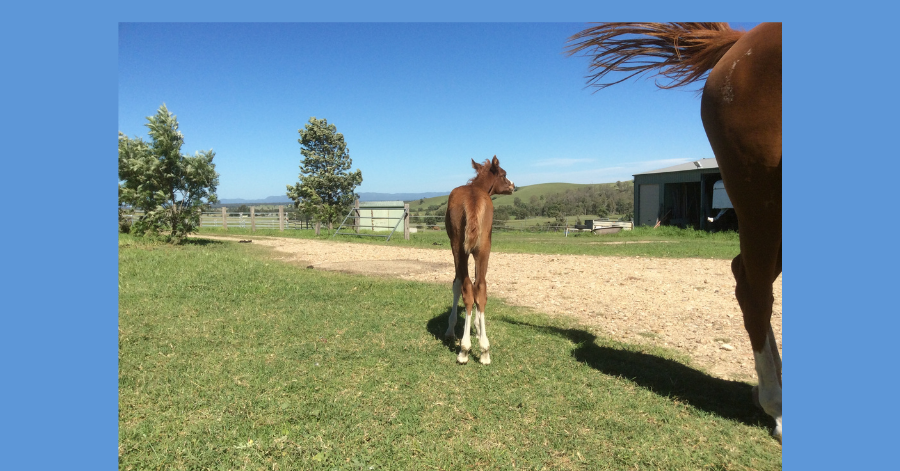
“In Managing the Miracle Foal”, Jane brings her extensive research and practical horse knowledge together in a highly readable guide for owners, breeders and equine professionals dealing with premature and dysmature foals. Drawing on her PhD research into the long-term effects of gestational immaturity, Jane explores what happens after the initial veterinary crisis has passed – the stages where many owners are left wondering what challenges may still lie ahead.
Written in clear, accessible language, the book explains how developmental compromise at birth can influence future soundness, growth, behaviour, nutrition and performance. Rather than overwhelming readers with heavy scientific terminology, Jane translates complex concepts into practical information horse owners can apply in everyday management. In true educational style, the book balances science with empathy and realism, acknowledging that every foal’s journey will be different.
This is a valuable addition to the foal care bookshelf: it is a thoughtful resource about giving vulnerable foals the best possible chance of a healthy future. Particularly helpful is the focus on subtle signs that may otherwise be overlooked until later in life.” – Hoofbeats magazine, June 2026.
“Some podcasts teach you something new. Others completely change how you look at horses.This is one of those episodes. We sat down with Dr Jane Clothier to discuss her groundbreaking PhD research into premature and developmentally immature foals, and the lifelong effects these early beginnings can have on soundness, behaviour, learning, stress responses and performance. It’s a conversation that challenges many assumptions we’ve held for years. If you’ve ever wondered why some horses develop arthritis young… Why some seem unusually reactive… Why others never quite progress despite excellent training… This episode offers a fascinating new perspective.” – Dr Shelley Appleton, Canter Therapy Podcast
“This book generates thoughts and ideas and new ways to look at my herd. It gave me new knowledge I didn’t have and brought underlying knowledge together to more cohesive understanding. Connecting up so many bits of knowledge into a more fluid understanding of the overall development. Can’t wait to send a link to buy it to all my breeder friends so we can all try to do better for our horses.” – Karen Groneng, Greenfields Stud
“I really enjoyed reading this book. It is such an easy read. Jane has beautifully explained many of the developmental and potential behavioural issues in both young and mature horses, especially where the early life of the foal is unknown. Her work gives an informed idea of how an osteopathic bodyworker or physical therapist might approach such cases. Horse owners and breeders would also benefit from reading this book. This book should be mandatory reading for students of veterinary and equine sciences, and physical therapies. I am going to highly recommend it to my students…. Brilliant piece of work… I love it.” – Stuart McGregor (DO), Clinical Director, London College of Animal Osteopathy
“As expected this book is well written, comprehensive and educational. With a focus on foals, what I didn’t expect was how much information was currently relevant to me, as a trainer, coach and owner, despite not having been involved in breeding for many years. The information inside is not only “must have” for breeders, but is absolutely relevant to coaches, trainers, bodyworkers and hoof care practitioners wanting to continue their knowledge and education. Even those not in the professional equine industry (owners, amateur riders and competitors) will find the information in this book helpful in the care and assessment of their horse.” – Tanja Kraus, Tanja Kraus Equine Education
“This is a brilliant read. I come from the mature horse angle and reading this has helped me understand potentially why they are dealing with particular issues in later life. Would be an enormous asset to anyone interested in breeding or even taking on a weanling or yearling. Bargain too!” – Alison Brand, show horse owner